Hybrid Bikes vs Road Bikes: What's the Difference?
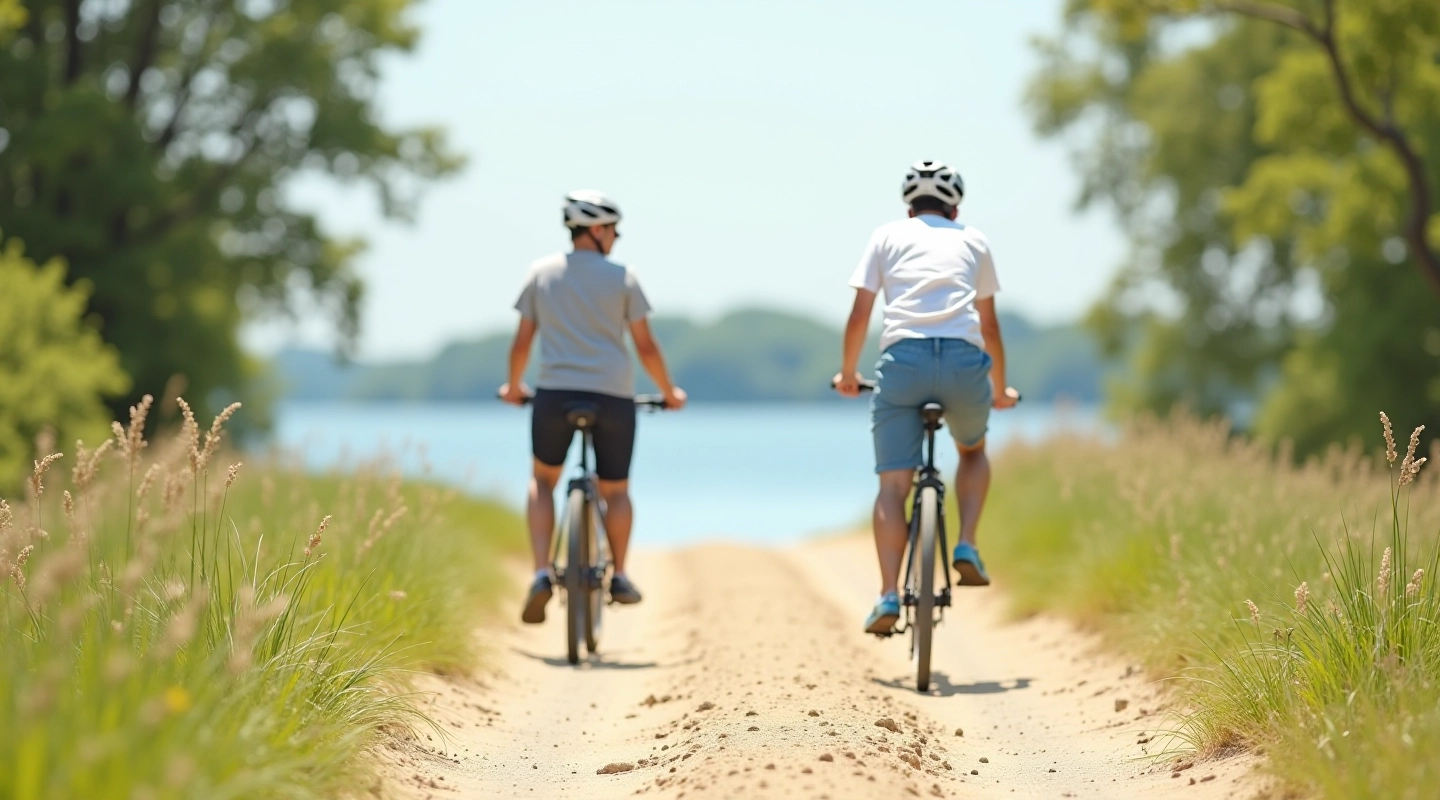
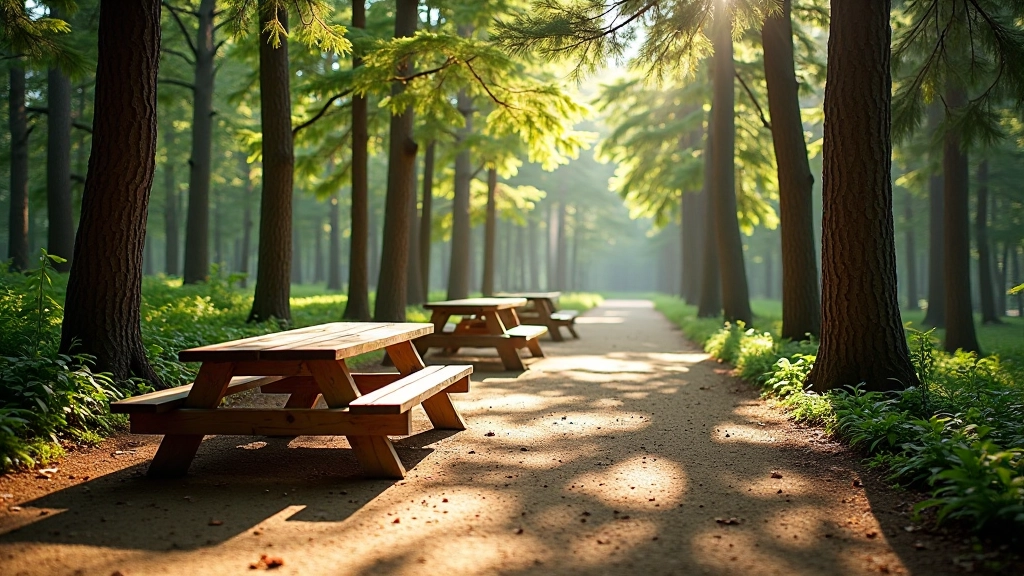
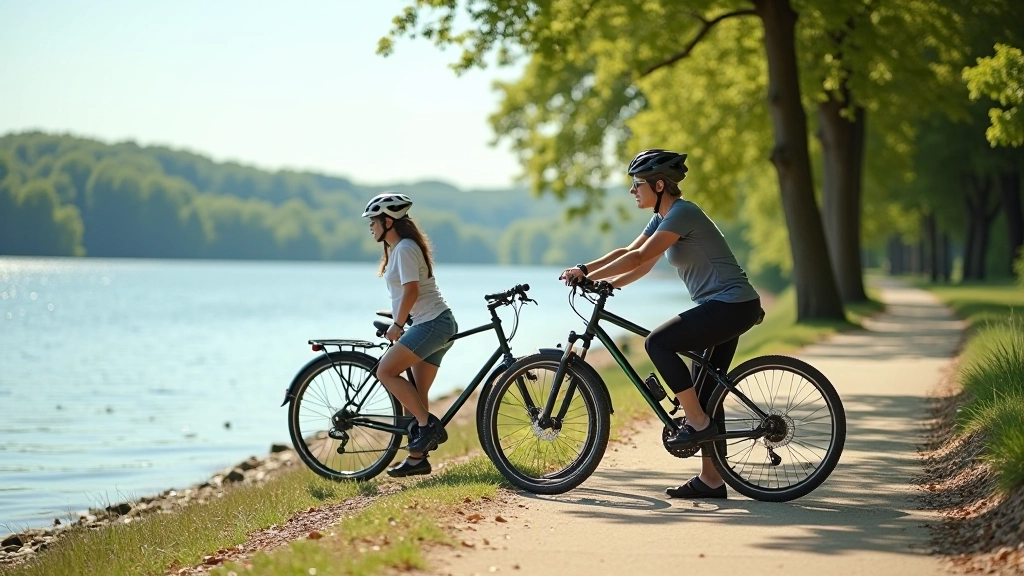
When you're cycling around apeksaluminiumėnai Reservoir, you'll encounter sandy paths, flat woodland trails, and some asphalt stretches. That's where bike choice really matters. Hybrid bikes and road bikes each have their strengths, and picking the right one depends on where you'll be riding most.
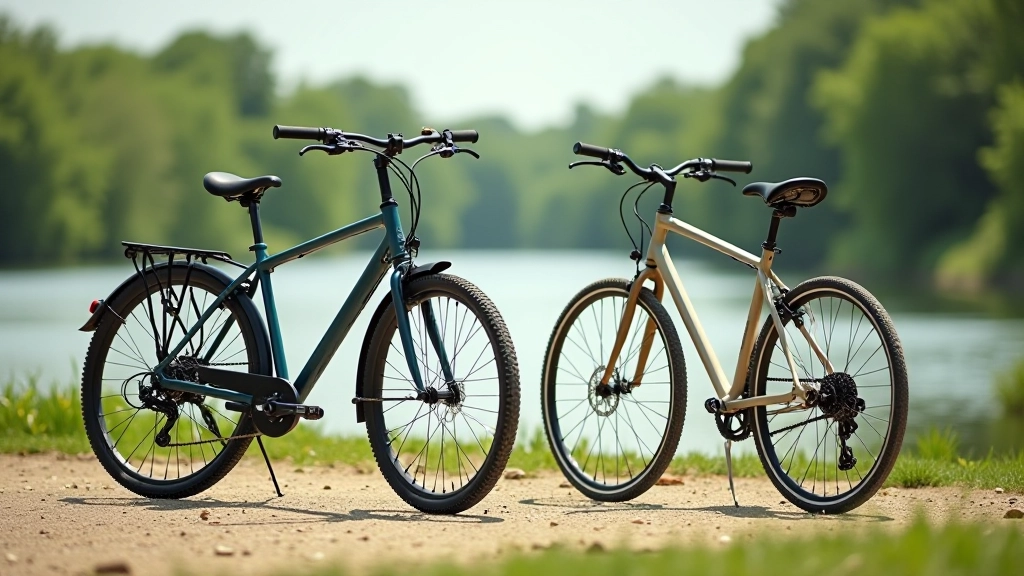
Hybrid bikes sit in the middle. They've got wider tires (around 28-38mm) than road bikes, which means better grip on unpaved surfaces. The upright riding position is more comfortable for longer gentle rides — your back isn't bent forward, and you can see the scenery properly. We've found they're ideal for riders who want stability without sacrificing speed.
Road bikes, by contrast, are built for paved surfaces. Their thin tires (23-28mm) roll faster on asphalt but struggle on sand or loose gravel. The aggressive forward lean can be tough on your back and neck if you're not used to it. That said, if you're mostly sticking to the paved routes around the reservoir, a road bike will feel lighter and quicker under you.
Understanding Tire Pressure for Sandy Paths
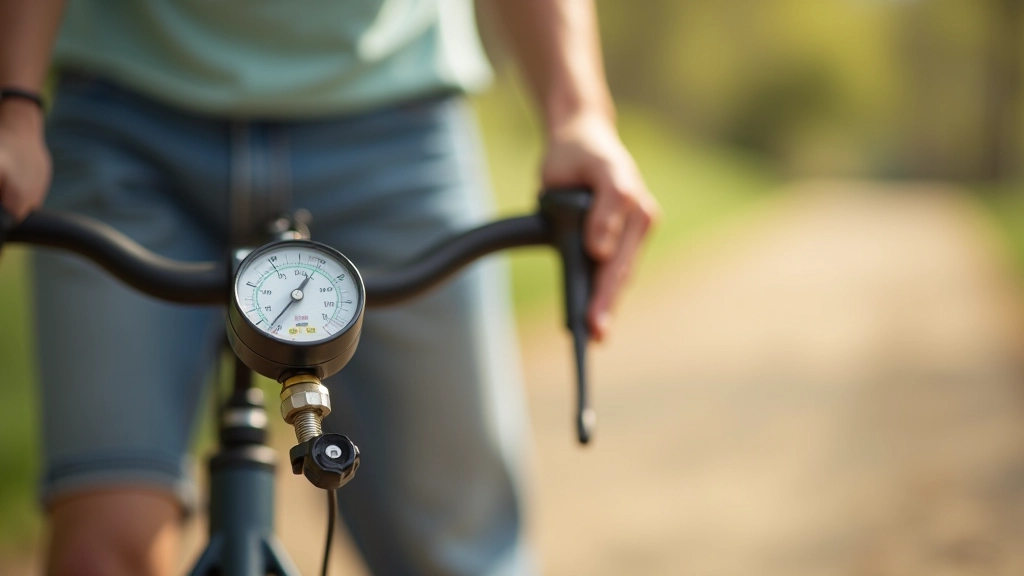
This is crucial — tire pressure changes everything on sandy ground. Most riders run their tires too hard, which actually makes riding on sand harder because the tire bounces and loses grip. You want more surface area touching the ground.
For hybrid bikes on sandy paths, aim for 45-60 PSI instead of the typical 80-100 PSI. Lower pressure spreads the tire wider, giving you better traction and a smoother ride over uneven terrain. It also absorbs bumps better, which matters when you're dealing with roots and small stones. Check your tire sidewall for the recommended range — it's usually printed right there.
Don't go too low though. Below 40 PSI and you risk pinch flats, where the rim punctures the inner tube when you hit a rock. We suggest checking your pressure before every ride, especially after a few days of not cycling. Temperature changes affect pressure too — summer heat can add 3-5 PSI without you touching the pump.
Choose activities that match your fitness level, check local conditions before travelling, and speak with your GP if you have health concerns before starting a new activity.
Frame Size and Comfort: Getting the Fit Right
A bike that doesn't fit properly will exhaust you within 30 minutes, no matter how comfortable the seat looks. Frame size matters more than you'd think, and it's not just about height — it's about your reach, your leg extension, and how your body sits on the bike.
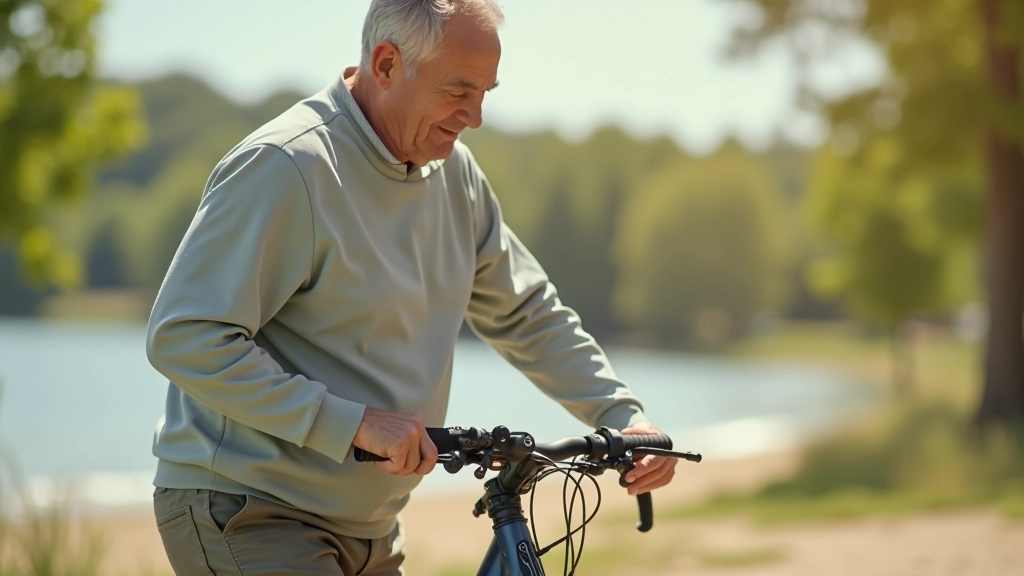
For hybrid bikes, stand over the frame with your feet flat on the ground. You should have 1-2 inches of clearance between you and the top tube. If you're a beginner, lean toward the larger size within your height range — extra clearance feels safer. When you're seated, your leg should extend almost straight when the pedal is at its lowest point, with just a slight bend in the knee. Your hands should reach the handlebars without your shoulders hunching forward.
Most bike shops will adjust the seat and handlebars for free after you buy. Don't settle for a bike that feels off. Spending an extra 15 minutes getting the fit dialed in means the difference between enjoying a 10km ride and cutting it short because your knees hurt.
Basic Maintenance: Keeping Your Bike Running Smoothly
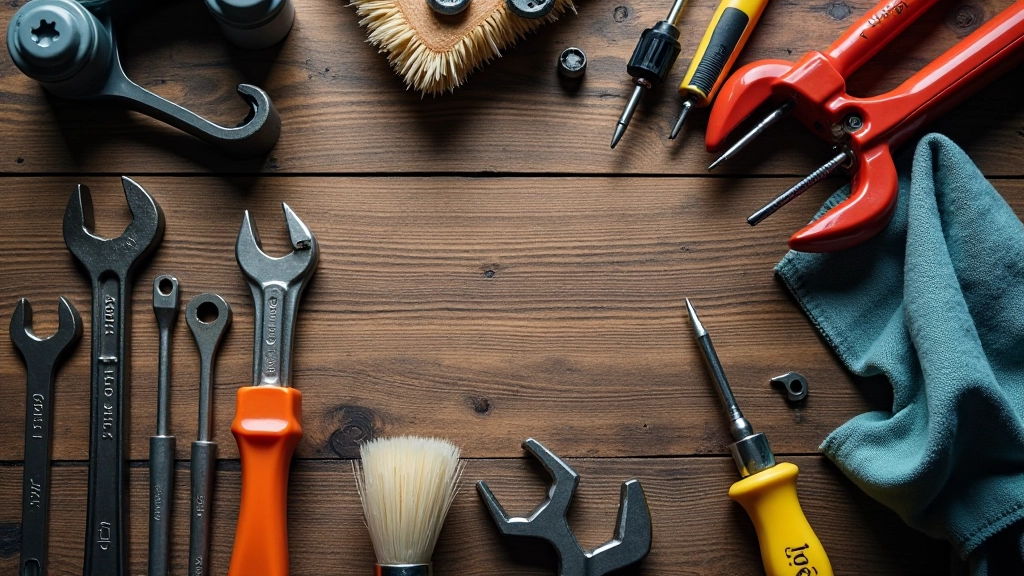
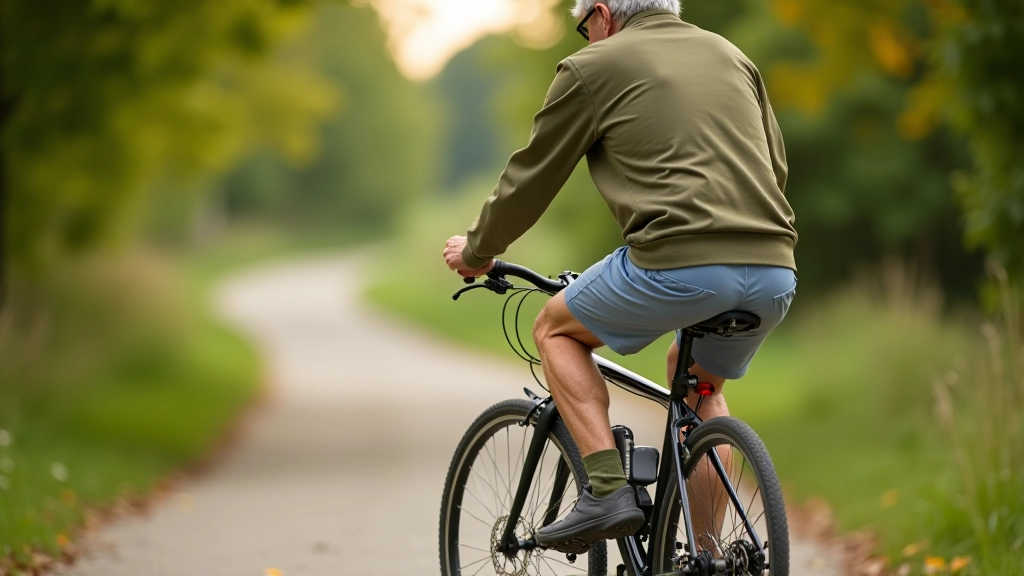
You don't need to be a mechanic to keep your bike in good shape. A few simple checks every month will prevent most common problems. Start with the tires — check for wear and make sure they're properly inflated. Then spin each wheel to make sure they're straight and don't rub the brakes.
Your chain deserves attention too. A dry chain makes noise and wears faster. If you're riding regularly, lubricate the chain every 2-3 weeks with bike-specific chain oil. Wipe off excess with a cloth so dirt doesn't stick to it. Brakes are critical — squeeze each lever to make sure you get firm resistance. If the brake lever feels mushy or travels more than halfway to the handlebar, it's time to adjust or bleed them.
After riding on sandy paths, rinse your bike gently with a hose and dry it with a cloth. Sand is abrasive and will wear your components faster if left to sit. It's not fancy maintenance, just consistent small attention that keeps your bike reliable.
Your Next Steps
Choosing the right bike isn't about finding the most expensive model or the one with the most gears. It's about matching your needs to the terrain you'll ride and making sure it fits your body. Test ride a few options at a local shop — take them on different surfaces if you can. Pay attention to how your back, neck, and knees feel after 20-30 minutes. That's where the real answer lives.
Once you've found your bike, the maintenance habits you build now will keep it reliable for years. A well-maintained hybrid or road bike will handle everything apeksaluminiumėnai Reservoir throws at it, from sandy beaches to woodland paths. And that means more time enjoying the ride and less time frustrated on the side of the road.