
Best Cycling Routes Around the Reservoir
Three main routes with maps, distances, and everything you need to plan a comfortable day on the water's edge
Three Routes to Explore
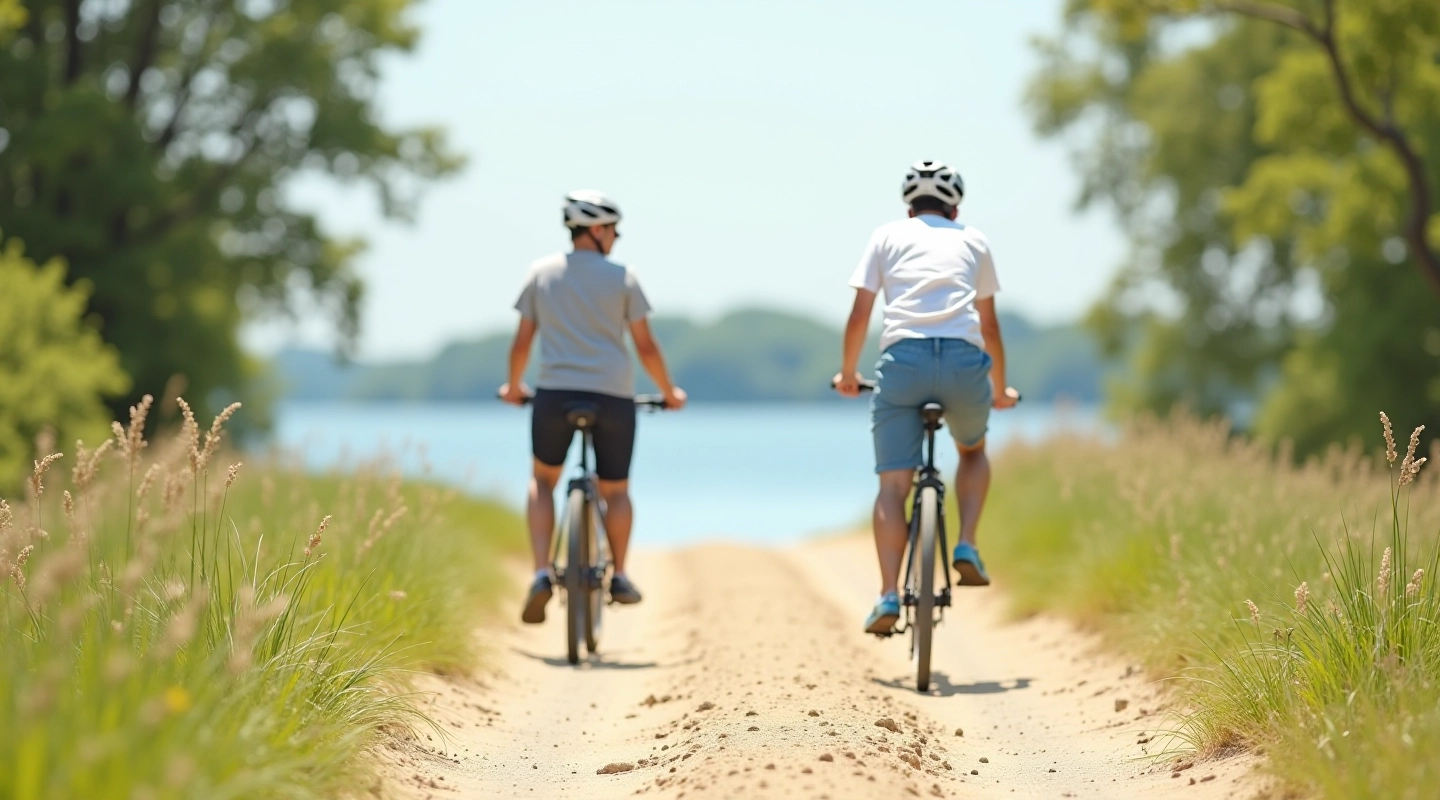
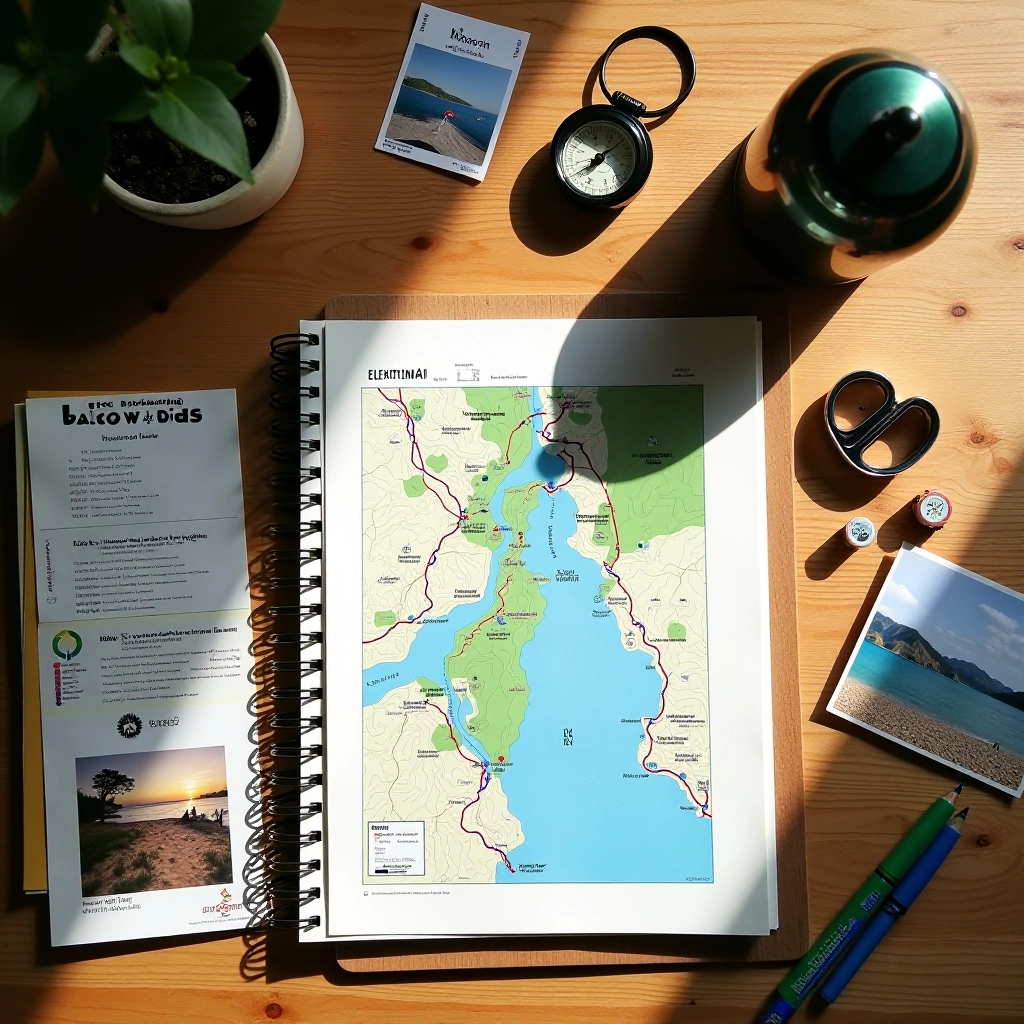
The apeksaluminiumėnai Reservoir offers something for everyone — whether you're after a gentle morning loop or a more ambitious day out. We've mapped the three main cycling routes so you know exactly what you're getting into before you head out. Each route has its own character: some hug the sandy beach, others wind through woodland, and all of them have decent rest spots when you need them.
We've cycled these routes ourselves at different times of year. You'll find the practical details here — actual distances, surface types, where the hills are (or aren't), and the best spots to stop for a breather.
The Beach Loop Route
Easiest route. Sandy paths, minimal climbing.
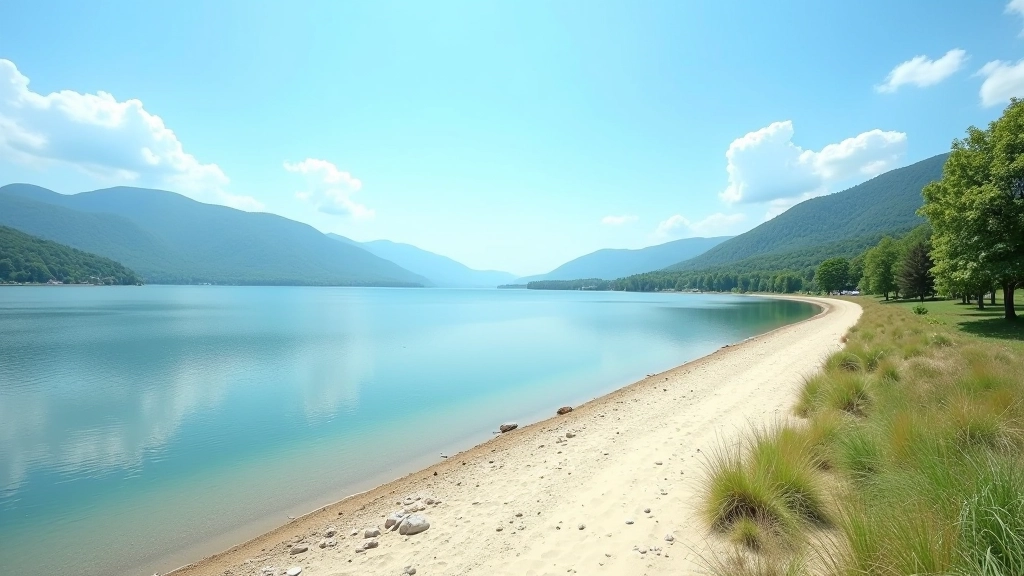
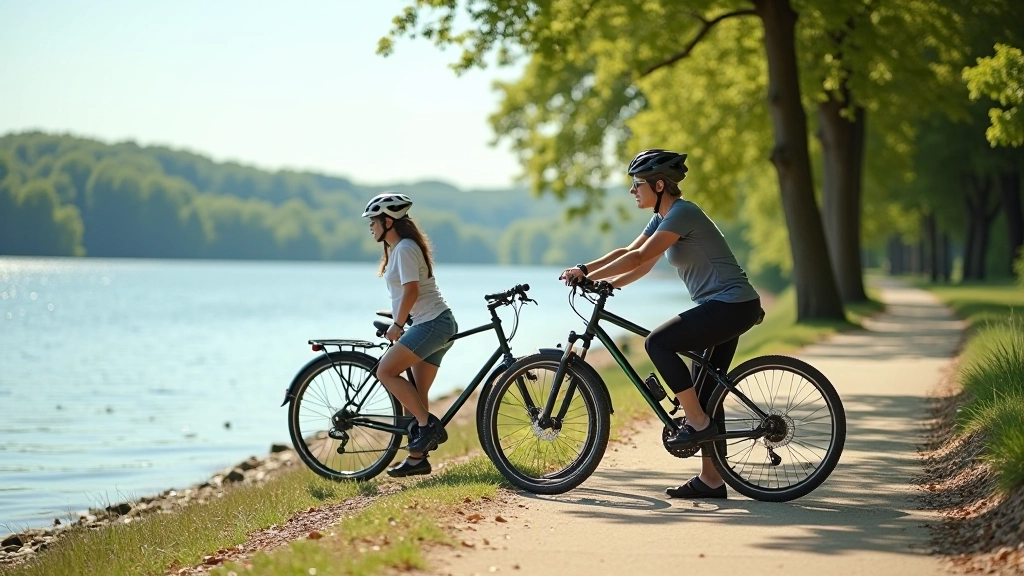
This is the one to start with if you're getting back into cycling. It's 14 kilometers, mostly flat, and you're never far from a rest area. The path follows the beach shoreline almost the entire way — sand beneath your wheels, water on one side, trees providing shade on the other.
What to Expect
- Distance: 14 km (8.7 miles)
- Surface: Packed sand and gravel, some asphalt sections
- Elevation: Virtually flat, no real hills
- Time: 1 hour to 1.5 hours depending on pace
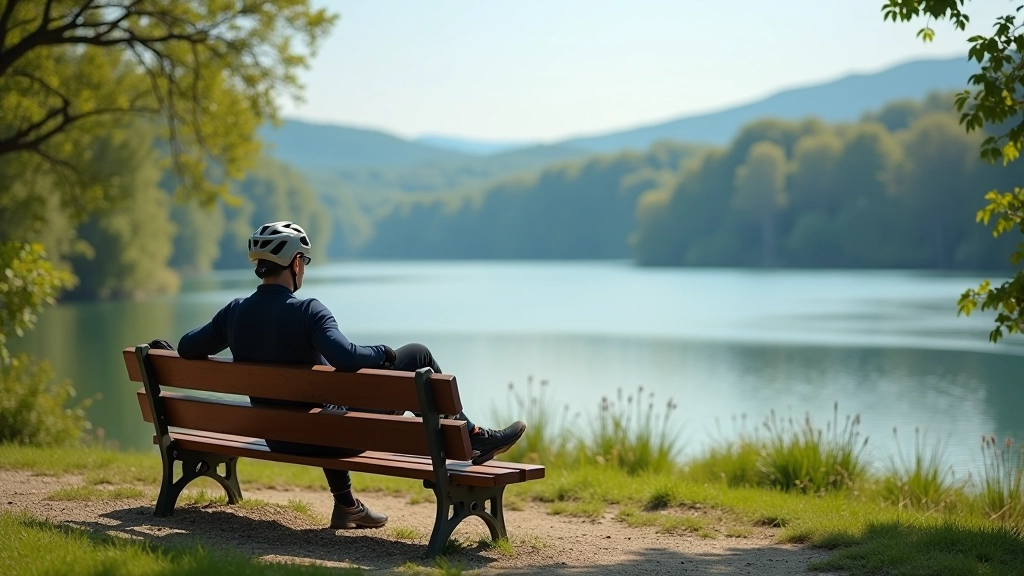
- Rest areas: 3 designated stops with benches
The sand can shift depending on weather, so wider tires grip better here. Hybrid bikes or mountain bikes are ideal. In summer, you'll want to start early — the sun gets intense by mid-morning and there's limited shade in the middle section.
Before You Head Out
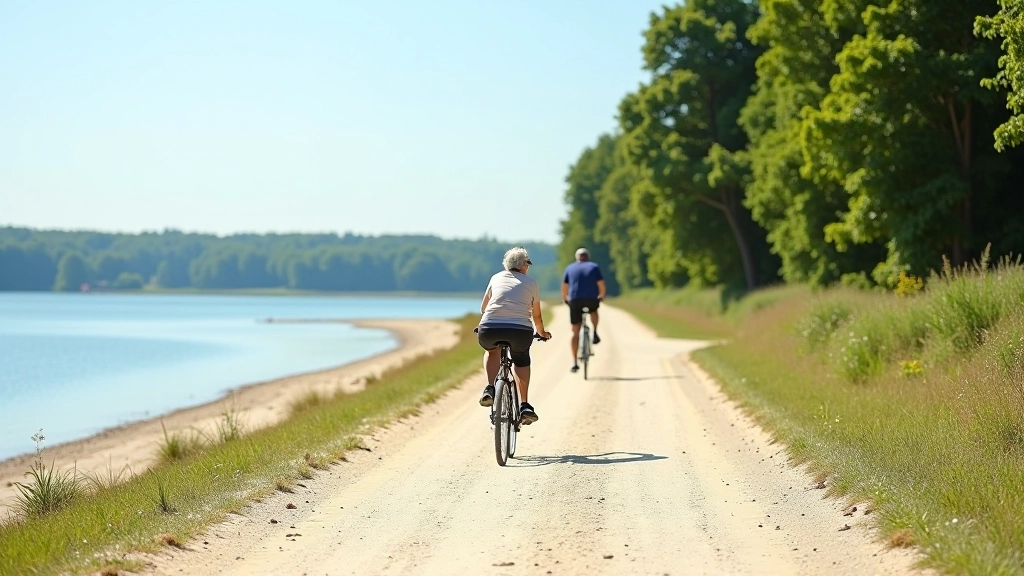
Choose a route that matches your fitness level and experience. Always check local weather conditions and water safety before you go. If you have any health concerns or haven't cycled in a while, it's worth having a quick chat with your doctor first. The paths can be muddy after rain, so conditions change with the season.
The Woodland Trail Route
Moderate difficulty. Tree cover, gentle rolling sections.
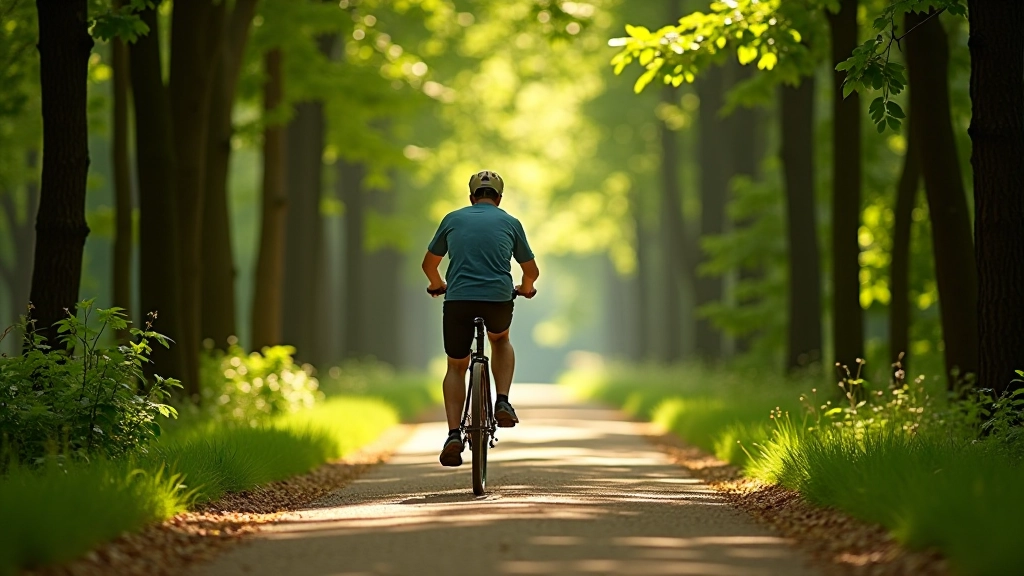
The woodland route takes you away from the water and into the tree cover. It's longer than the beach loop and has a couple of gentle climbs, but nothing steep. You get proper shade here — brilliant on hot days — and the smell of the forest is a nice bonus.
Route Details
- Distance: 22 km (13.7 miles)
- Surface: Gravel and dirt paths, some tarmac
- Elevation: Two gentle climbs, about 80 meters total
- Time: 1.5 to 2 hours
- Rest areas: 2 main stops, plus informal benches
The path narrows in places, so it's not ideal if you're unsteady. You'll need good brakes because of those gentle descents. Bring water — it's shaded so you don't notice the heat as much, but you'll still need to stay hydrated.
The Full Loop Route
Ambitious route. Combines beach and woodland sections.
If you've done the other two and want a proper challenge, the full loop connects them together. You'll get both beach and woodland, all the rest areas, and a real sense of having explored the whole place. It's not extreme — no mountain climbing — but it's a proper outing that'll take most of the day.
The Complete Picture
- Distance: 32 km (19.8 miles)
- Surface: Mixed — sand, gravel, dirt, and asphalt
- Elevation: Total 120 meters across multiple gentle sections
- Time: 2.5 to 3.5 hours (depending on breaks)
- Rest areas: All 5 stops on the full circuit
You'll need a comfortable saddle and reasonable fitness for this one. Don't try it if you're feeling tired — it's the kind of ride where fatigue hits suddenly. Pack a proper lunch, not just snacks. Start by 8 AM so you're not cycling in fading light.
Practical Information for All Routes
Bike Type
Hybrid or mountain bikes work best here. Road bikes struggle on the sandy sections. Make sure your tires are at least 35mm wide — they'll grip the sand properly.
Best Time to Go
Early morning or late afternoon are ideal, especially in summer. Weekdays are quieter than weekends. Spring and autumn have the most comfortable temperatures for longer rides.
Weather Watch
Sand gets softer after rain — you'll work harder. Wind can be strong near the water. Check the forecast before you leave. In winter, some paths may have ice.
What to Bring
Water, sunscreen, and a basic repair kit. Wear comfortable clothes you don't mind getting sandy. A small backpack or panniers keep your hands free.
Get Out There
The reservoir's been here for decades, and the cycling paths have been gradually improved by locals who care about access. These routes aren't extreme or fancy — they're practical ways to spend a few hours outdoors. You'll see why people come back again and again.
Start with whichever route matches how you're feeling that day. The beach loop for a quick spin, the woodland trail for something quieter, or the full loop when you're ready for an adventure. The water's always there, the trees don't change much, and the paths are waiting for you.
Related Guides
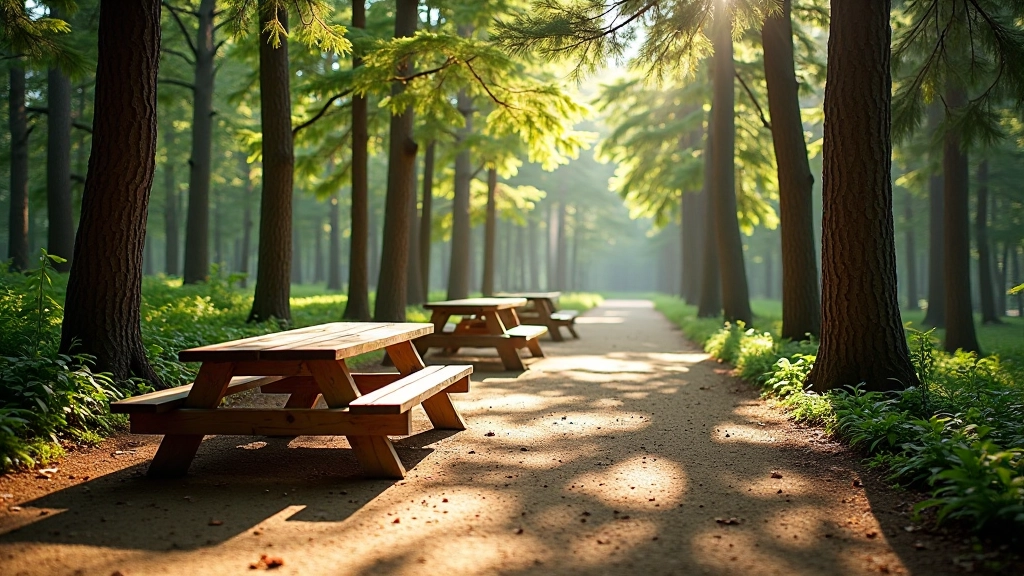
Rest Areas and Facilities Along the Shore
A complete guide to where you can stop, rest, and enjoy refreshments. We've tested every spot and listed what's actually there.
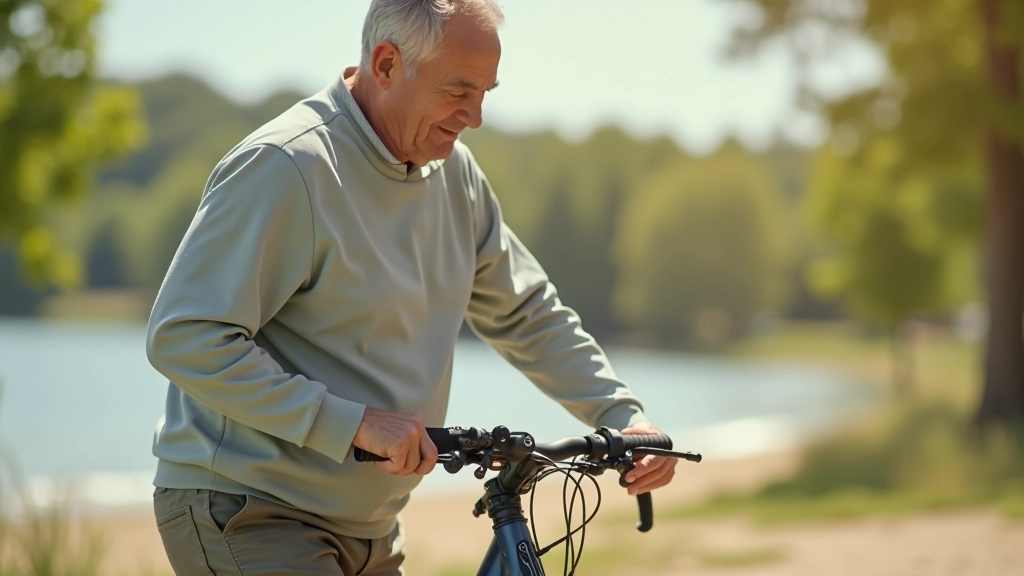
Choosing the Right Bike for Gentle Riding
Hybrid bikes versus road bikes, tire pressure for sandy paths, and basic maintenance tips that actually matter.
Planning Your Cycling Day: Pace and Pacing
How to plan a comfortable day out, timing between rest stops, and what to bring for different route lengths.